Are we really creating an environment for learning?
What does a child look like when they are learning?

The Ofsted Inspection Framework states that “teachers create an environment that allows the learner to focus on learning” (Ofsted, 2023). On the surface, this sounds like a reasonable expectation. But is this truly happening in our schools today?
The teachers in my PhD research told me that in many primary classrooms, the pressures placed on teachers to impart knowledge and cover content have overshadowed their ability to foster an environment where genuine learning takes place. Instead of encouraging children to think, explore, and develop lifelong learning habits, the system is too often geared towards ensuring short-term compliance and knowledge retention for assessment purposes. What looks like learning is often little more than memorisation and obedience to arbitrary behavioural systems—leaving little room for children to develop the self-regulation and metacognitive skills they need for lifelong success.
The problem: learning vs. compliance
A well-structured classroom, where children sit quietly, follow instructions, and produce the expected work, appears to be a successful learning environment. However, this doesn’t necessarily mean deep learning is taking place. Too often, children are being trained to meet expectations rather than being given the space to engage meaningfully with learning.
John Dewey’s insight remains as relevant as ever: “Give the pupils something to do, not something to learn; and the doing is of such a nature as to demand thinking; learning naturally results” (Dewey, 1916). Yet, current classroom structures often prioritise control over engagement, limiting children’s ability to actively think and explore.
The developmental needs of primary school children
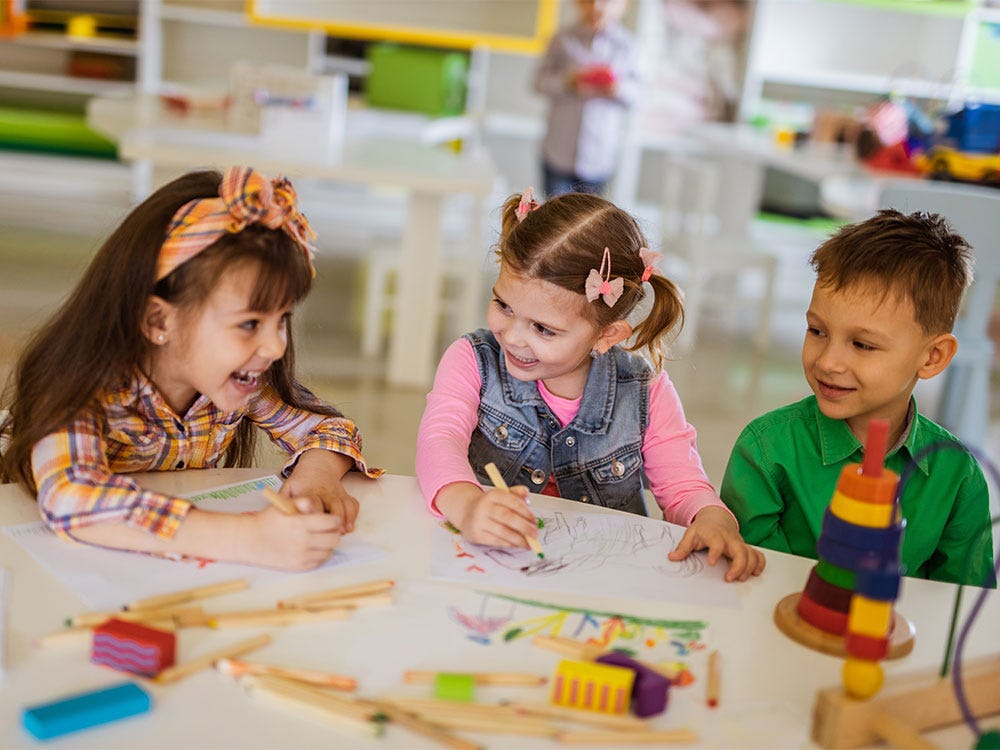
Young children learn best through play, exploration, and discussion (Pyle & Danniels, 2017)—yet many classrooms are structured in ways that inhibit these natural learning processes, and again, the teachers I work with tell me that they are expected to create classrooms more like secondary school. Strict behaviour management systems often prioritise silence and stillness over curiosity and questioning.
A child (or dare I say…any of us) who is fully engaged in learning may appear restless, ask questions, make mistakes, and even struggle at times - I heard from my participants that under the current system, these signs of active learning are often discouraged in favour of neatness, order, and rapid recall of facts.
Overemphasis on knowledge transmission
The pressure to cover vast amounts of curriculum content has led to a system where teachers are expected to deliver knowledge rather than facilitate learning. This is problematic because:
It encourages passive learning rather than active thinking (Hattie, 2009).
It prioritises speed and coverage over depth and understanding (Cambridge Primary Review, 2009).
It limits children’s opportunities to develop their own strategies for problem-solving and critical thinking (EEF, 2018).
In contrast, an environment that truly supports learning would give children space to think, struggle productively, and reflect on their own learning processes—skills that are essential for success beyond the classroom.
What needs to change?
If we are serious about creating environments where children focus on learning, I would like to suggest thta we need to shift our priorities.
Redefining ‘good behaviour’ in the classroom
Instead of measuring success by how quiet and compliant children are, we should celebrate curiosity, persistence, and thoughtful questioning. A successful learning environment isn’t necessarily the most orderly one—it’s the one where children feel safe to explore ideas, take risks, and learn from mistakes.
Supporting teachers to facilitate learning, not just deliver content
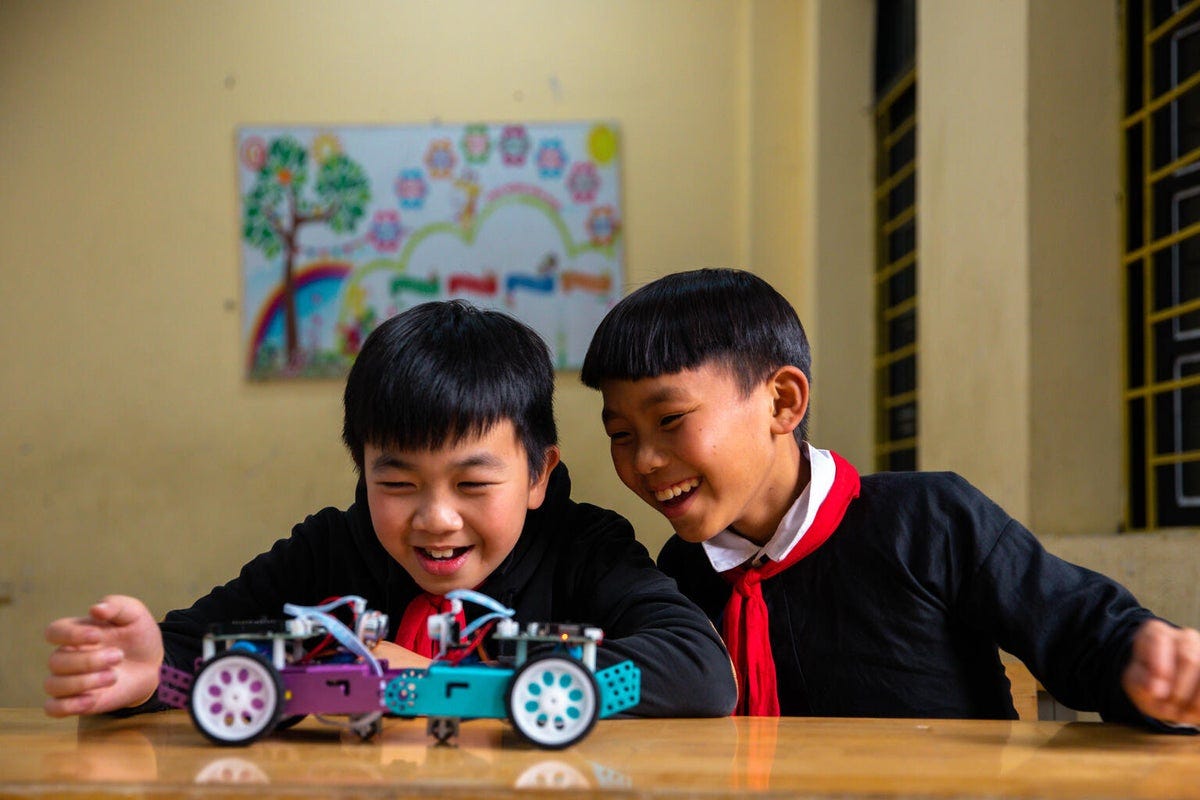
Teachers need the time, training, and professional trust to focus on how children learn, not just what they learn. This means:
Reducing the pressure of performance-driven accountability measures (Cambridge Primary Review, 2009).
Encouraging enquiry-based, discussion-led, and hands-on learning approaches (Vygotsky, 1978).
Allowing more flexibility in how curriculum content is delivered.
Embedding metacognition into everyday teaching
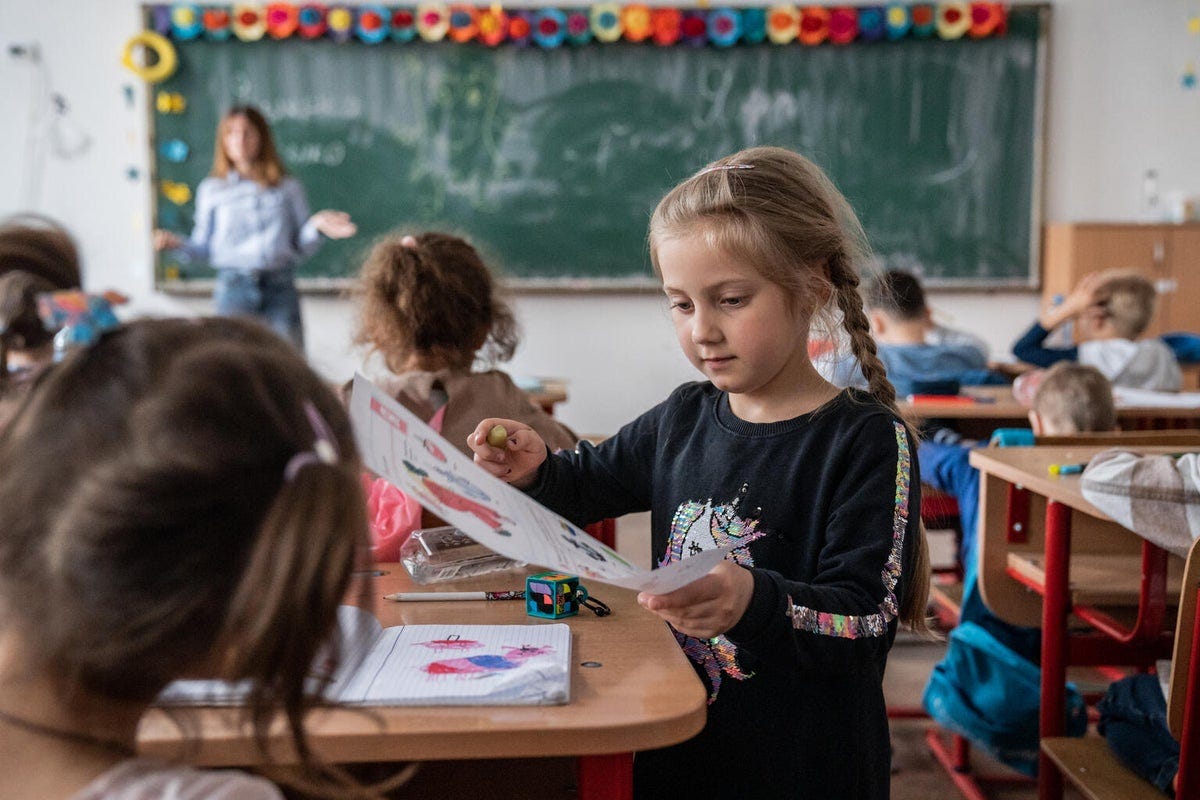
Children need to be taught how to learn, not just what to learn. This means helping them develop skills such as:
Planning and organising their learning (EEF, 2018).
Monitoring their own progress and adapting strategies.
Evaluating what works and what doesn’t—building perseverance and self-regulation.
Conclusion: a call for change
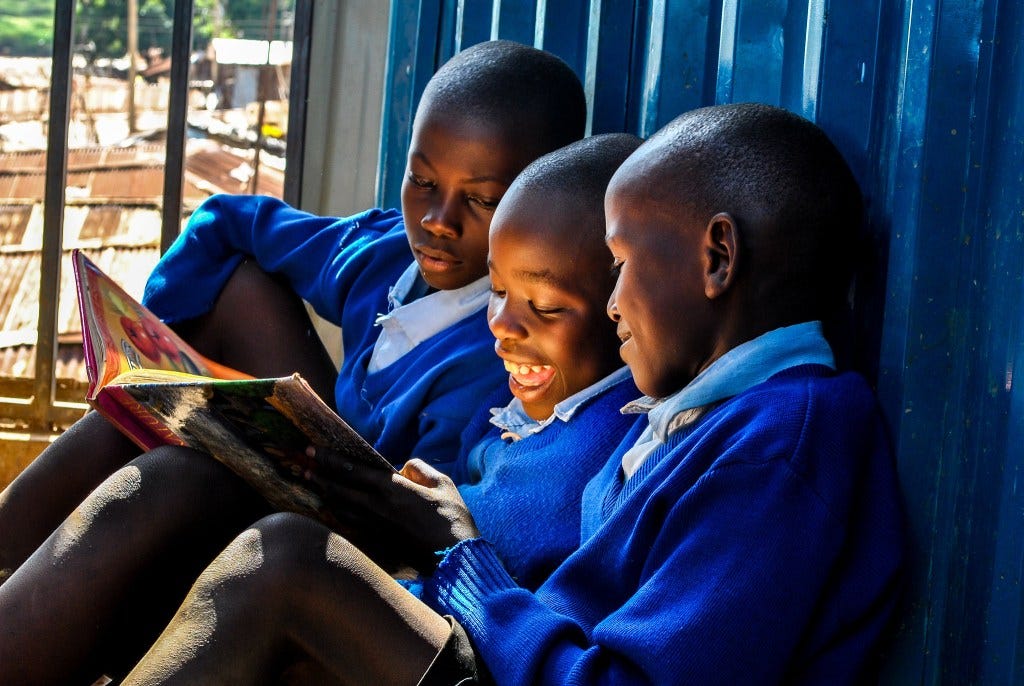
All of the participants in my research - parents, teachers and pupils - told me that they feel strongly that the current approach to classroom management and curriculum delivery is not truly setting children up for lifelong learning. If we want primary education to foster real intellectual growth, we must move beyond compliance-driven environments and create classrooms where deep, engaged learning can take place.
This requires a shift in mindset—one that values exploration over memorisation, metacognition over rote learning, and genuine engagement over silent compliance.
What do you think? Are we creating an environment where children can learn in a way that will help them throughout their lives or just get through school?
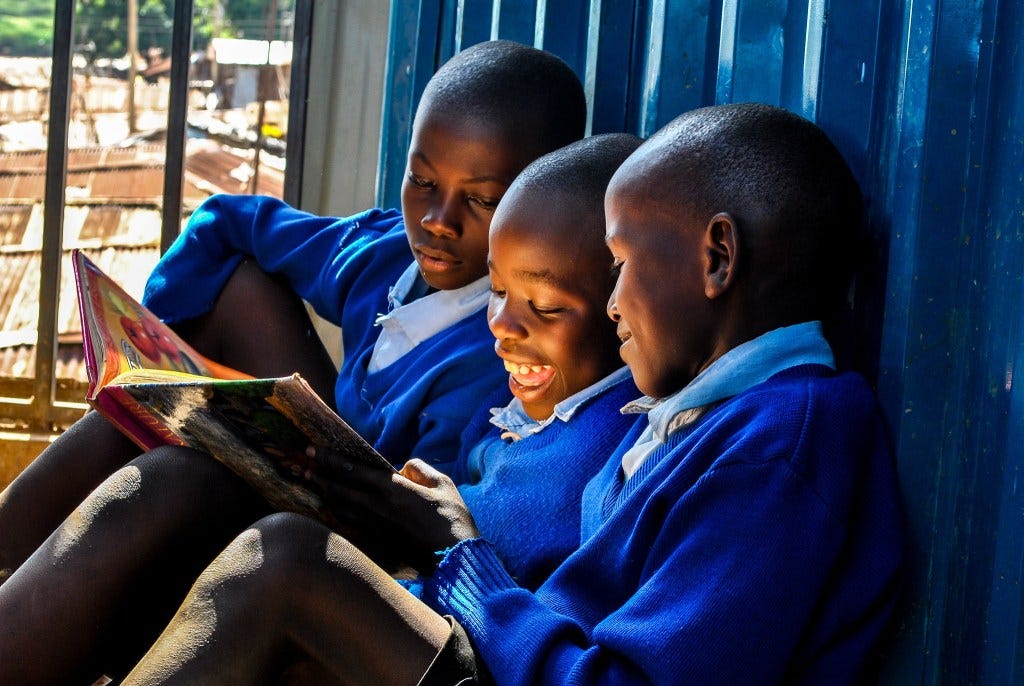
The pictures are available from UNICEF HERE and Raising Children HERE
References
Cambridge Primary Review (2009). Children, their world, their education: Final report and recommendations of the Cambridge Primary Review. Routledge.
Dewey, J. (1916). Democracy and Education. Macmillan.
Education Endowment Foundation (2018). Metacognition and self-regulated learning. Available at: https://educationendowmentfoundation.org.uk/education-evidence/teaching-learning-toolkit/metacognition-and-self-regulation
Hattie, J. (2009). Visible Learning: A Synthesis of Over 800 Meta-Analyses Relating to Achievement. Routledge.
Ofsted (2023). Education Inspection Framework (EIF). Available at: https://www.gov.uk/government/publications/education-inspection-framework
Pyle, A., & Danniels, E. (2017). A continuum of play-based learning: The role of the teacher in play-based pedagogy and the fear of hijacking play. Early Education and Development, 28(3), 274-289.
Vygotsky, L. S. (1978). Mind in Society: The Development of Higher Psychological Processes. Harvard University Press.
I used to work in secondary schools teaching maths and computer science. So I needed my classroom to be quiet with all students focusing when explaining methods and demonstrating how to work through problems. That meant students sitting quietly taking notes after I had finished explaining, then practicing what they had learnt using set work. We did have some space for exploring the topic later on but covering the topic first was important. I liked to set projects for students to do using the knowledge and skills they had learned. Classroom management was more difficult when students were doing projects and there were always students who found it hard to settle in a group, or went off task whilst doing the project. I think with STEM subjects in secondary school the content teaching must come first. I understand that in primary school the focus must be different. I think that the proportion of time learning through discussion, play and other activities should be higher.